

How to Choose a Dresser: Quick Steps
Picking the wrong dresser can leave you with a piece that overwhelms your room, tips over without warning, or simply fails to hold what you own. Many shoppers focus only on color or price and overlook the practical details that matter most: dimensions, safety, and storage layout. Knowing how to choose a dresser wisely protects your investment and your household.
This guide walks you through every key factor, from measuring your space and comparing materials to checking safety ratings and matching styles. By the end, you will know exactly what to look for and which models deliver the best value for your needs.
Measure Your Space Before You Browse

The first step in learning how to choose a dresser is confirming what will actually fit in your room.
Check Width, Depth, and Height
Start by measuring the wall where the dresser will sit. Account for baseboards, electrical outlets, windows, and nearby furniture. Most dressers range from about 24 inches wide for compact 3-drawer units to over 60 inches for larger models like the HEMNES 8-drawer. Standard depth runs between 18 and 20 inches, so leave enough clearance in front for drawers to open.
For rooms with low ceilings, watch the height carefully. Tall units like the RÅDMANSÖ 5-drawer at 52 inches or the IDANÄS at 53 1/8 inches maximize storage but can feel imposing in tight spaces.
Allow Room for Drawer Operation
A dresser that fits against the wall still needs open floor space in front. Deep drawers require at least 24 inches of clearance to pull out fully. Avoid placing the unit too close to beds, doors, or nightstands that could block access.
Match Bed Height for Visual Balance
Aim for the top of the dresser to align with your bed frame or mattress height. A large mismatch breaks the visual flow of the room. If you plan to use the dresser as a vanity or nightstand alternative, comfort matters just as much as appearance.
Pick the Right Size and Shape
Your room’s footprint and storage needs determine whether you need a tall highboy or a wide lowboy.
Tall vs. Wide: What Fits Your Room?
Tall dressers work best in small bedrooms. They use vertical space efficiently and leave more floor area open. Choose a tall model if you have more clothes than surface area for décor.
Wide dressers offer more display space on top and easier access to multiple drawers at once. They suit larger bedrooms with ample wall length. The VIHALS 6-drawer at 55 1/8 inches wide spreads horizontally, while the HAUGA at 45 5/8 inches tall stays narrow.
Choose Based on Storage Needs
Match the drawer count to your wardrobe:
- Minimalist or small wardrobe: A 3-drawer dresser like the RAST or HAUGA may be enough.
- Large wardrobe: Opt for 6 to 8 drawers, such as the TONSTAD 6-drawer or HEMNES 8-drawer.
- Mixed use: Look for models with varied drawer sizes, with deep lower drawers for sweaters and shallow top drawers for accessories.
Consider Modular or Side-by-Side Options
Some dressers feature flush sides that allow pairing even with different heights. This flexibility helps you customize storage along a long wall. Units with decorative edges or legs are designed to stand alone as focal points.
Prioritize Safety and Stability
A tipping dresser can cause serious harm, especially in homes with children or pets.
Choose a Tip-Resistant Design
Many modern dressers meet the US Federal Stability Standard, meaning they are tested to resist tipping when one drawer is open. Models confirmed to meet this standard include:
- RÅDMANSÖ (3 and 5-drawer)
- HAUGA
- STOREMOLLA
- BRIMNES
- VIHALS
- TONSTAD
Avoid older or untested models if safety is a top concern.
Anchor Every Dresser to the Wall
Even stable dressers can tip if a child climbs on them or if weight is unevenly distributed. Always use the included wall anchor kit to secure the unit to a wall stud. This single step prevents most accidents.
Pro Tip: Teach kids never to climb on drawers, and avoid leaving multiple drawers open at once. This shifts the center of gravity and increases tipping risk.
Check for Adjustable Feet
Uneven floors cause wobbling and add tipping risk. Models like the RÅDMANSÖ, STOREMOLLA, IDANÄS, and TONSTAD include adjustable feet to level the dresser on sloped or older flooring.
Evaluate Materials and Build Quality

The material you choose affects durability, appearance, and long-term value.
Solid Wood: Durable and Refinishable
Solid wood lasts longer and can be sanded, stained, or repainted. Examples include:
- RAST: Solid pine, affordable and unfinished, great for DIY projects.
- HEMNES: Solid wood with white stain, sturdy and classic.
- STOREMOLLA: Gray-brown stained solid wood with a premium feel.
Solid wood resists warping and holds hardware securely over time.
Wood Veneer: Style Without the High Cost
Veneer offers real wood grain appearance at a lower price. The TONSTAD 6-drawer uses oak veneer, which looks elegant but is less forgiving if damaged. Avoid cheap particleboard with thin laminate, which swells with moisture and strips easily.
Engineered Finishes: Budget-Friendly Looks
Some models use effects like “brown walnut” (RÅDMANSÖ) or colored stains to mimic pricier woods. These hold up well if sealed properly but cannot be refinished like solid wood.
Assess Drawer Function and Features
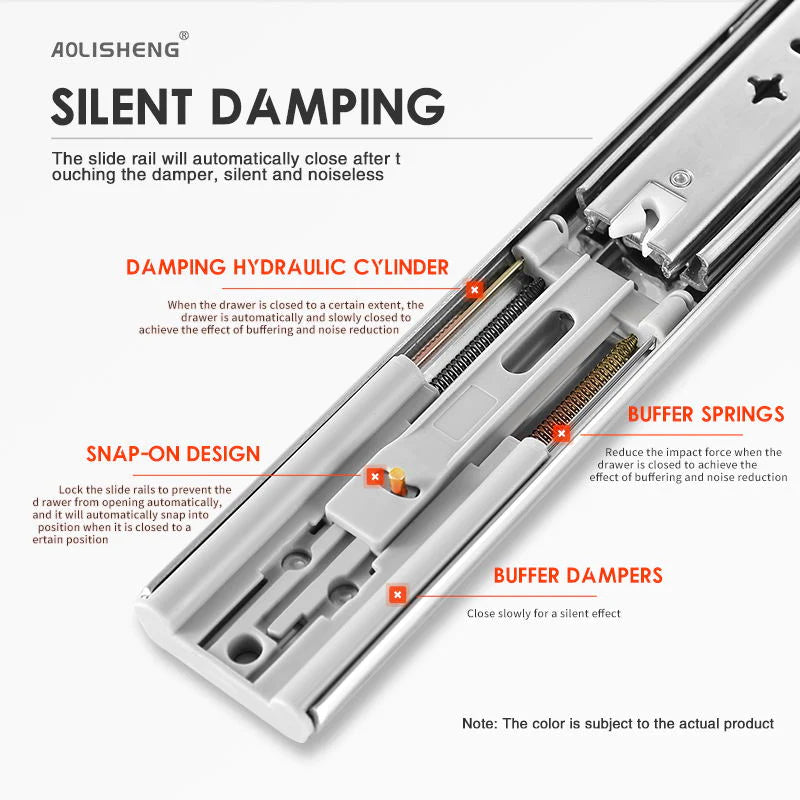
Smooth, quiet drawers make a noticeable difference in daily use.
Look for Soft-Closing Drawers
Soft-closing mechanisms prevent slamming and extend hardware life. The TONSTAD and IDANÄS models include this feature, ideal for quiet bedrooms or shared spaces. Check reviews to confirm smooth operation before buying.
Test Drawer Glides and Weight Capacity
Full-extension glides let you reach the back of the drawer easily. Ball-bearing glides last longer than basic wood-on-wood slides. Deep drawers in wider dressers like VIHALS or HEMNES should hold heavy items without sagging.
Consider Internal Layout
Drawer arrangement affects how you organize:
- Uniform drawers: Best for general clothing storage.
- Mixed sizes: Top small drawers for accessories, bottom large ones for sweaters.
- Open shelf plus drawers: The HAUGA includes a shelf for baskets or décor, adding versatility.
Match the Dresser to Your Bedroom Style
The dresser should complement your room’s overall look.
Traditional vs. Contemporary Looks
- Traditional: Lower height, ornate legs, classic finishes like HEMNES in white stain.
- Contemporary: Clean lines, taller profiles, minimal hardware like BRIMNES or VIHALS.
- Scandinavian: Light wood and simple forms like HAUGA or RAST.
Coordinate With Bed and Nightstands
Choose matching or complementary materials. A white BRIMNES dresser pairs well with a white platform bed. A brown walnut RÅDMANSÖ works with warm wood flooring and earthy tones.
Use the Top for Display
The dresser surface is prime real estate for lamps, mirrors, art, candles, or plants. Wider dressers like VIHALS or HEMNES offer more display space. Tall units like IDANÄS provide less surface area but more internal storage.
Customize With Hardware and Paint
Refresh or personalize your dresser without replacing it.
Swap Knobs or Handles
Changing hardware is the fastest way to update a dresser’s look. Try minimalist metal pulls for modern rooms, ceramic knobs for vintage charm, or leather pulls for rustic style. Most dressers accept standard-sized hardware you can find at any home store.
Paint or Refinish Solid Wood Models
If you own or buy a solid wood dresser like RAST, HEMNES, or STOREMOLLA, you can repaint it later to match new décor. Sand, prime, and use durable paint or stain for a fresh finish.
Pro Tip: Paint a budget pine dresser like the RAST to mimic high-end furniture and save hundreds of dollars.
Compare Top Models and Prices

Use real product data to guide your final decision.
Budget Picks Under $200
| Model | Price | Key Features | Rating |
|---|---|---|---|
| RAST 3-drawer | $59.99 | Solid pine, compact, unfinished | 3.1★ |
| HAUGA 3-drawer | $179.99 | Meets safety standard, tall design, shelf | 4.1★ |
These work well for renters, kids’ rooms, or minimalists. The RAST is basic but highly customizable.
Mid-Range Favorites ($200 to $300)
| Model | Price | Key Features | Rating |
|---|---|---|---|
| RÅDMANSÖ 3-drawer | $229.99 | Walnut effect, adjustable feet | 4.3★ |
| BRIMNES 4-drawer | $229.99 | White, high safety rating, 1,200+ reviews | 4.5★ |
| GREÅKER Cabinet with drawers | $249.99 | White, cabinet style, top rated | 4.8★ |
| VIHALS 6-drawer | $279.99 | Wide, 6 drawers, anchor function | 4.2★ |
| RÅDMANSÖ 5-drawer | $299.99 | Tall, walnut effect, adjustable feet | 4.5★ |
BRIMNES and GREÅKER stand out for reliability and user satisfaction. VIHALS offers maximum drawer space along a long wall.
Premium Choices Over $300
| Model | Price | Key Features | Rating |
|---|---|---|---|
| STOREMOLLA 5-drawer | $399.99 | Solid wood, tall, stable, adjustable feet | 4.0★ |
| TONSTAD 6-drawer | $449.99 | Oak veneer, soft-close, elegant | 3.5★ |
| HEMNES 8-drawer | $449.99 | Largest capacity, solid wood, wide | 4.0★ |
| IDANÄS 6-drawer | $479.99 | Tall, soft-close, modern | 1.0★ (caution) |
TONSTAD and HEMNES offer luxury materials and finishes. Approach the IDANÄS with caution until more reviews confirm long-term reliability.
Maintain and Extend Its Life
A good dresser can last decades with simple care.
Clean Regularly
Dust the top weekly and wipe spills quickly. Use a damp cloth on wood surfaces and avoid harsh chemicals that strip the finish.
Lubricate Drawer Slides
If drawers begin to stick, apply a small amount of wax or silicone spray to the glides once a year for smooth operation.
Re-Tighten Hardware
Screws loosen over time with regular use. Check knobs, handles, and wall anchors every 6 to 12 months to keep everything secure.
Refresh When Needed
- Replace worn knobs for an instant update.
- Repaint or restain solid wood models to match new décor.
- Add drawer liners for protection and a light scent like cedar or lavender.
Frequently Asked Questions About Choosing a Dresser
What size dresser should I get for a small bedroom?
For small bedrooms, choose a tall dresser with a narrow footprint. Models like the HAUGA at 27 1/2 inches wide or the RÅDMANSÖ 5-drawer at 27 1/2 inches wide maximize vertical storage without crowding the floor.
How do I know if a dresser is safe and won’t tip over?
Look for dressers that meet the US Federal Stability Standard. Models like BRIMNES, VIHALS, TONSTAD, HAUGA, STOREMOLLA, and RÅDMANSÖ are confirmed to meet this standard. Always anchor the dresser to a wall stud using the included hardware.
Should I choose a tall or wide dresser?
Choose a tall dresser if you have limited floor space and need maximum storage volume. Choose a wide dresser if you have ample wall length and want more surface area for lamps, mirrors, or décor.
What is the best material for a dresser?
Solid wood is the most durable and can be refinished over time. Models like HEMNES, RAST, and STOREMOLLA use solid wood. Wood veneer (like TONSTAD) offers a similar look at a lower cost but cannot be refinished as easily.
Are soft-closing drawers worth the extra cost?
Soft-closing drawers prevent slamming, reduce wear, and operate quietly. They are worth the upgrade for bedrooms, kids’ rooms, or shared spaces. The TONSTAD and IDANÄS models include this feature.
How do I measure for a dresser before buying?
Measure the wall width, note the ceiling height, and leave at least 24 inches of open floor space in front for drawer operation. Account for baseboards, outlets, and nearby furniture that could block placement.
Key Takeaways for Choosing the Right Dresser

Learning how to choose a dresser comes down to three priorities: fit, function, and safety. Always start by measuring your space and confirming clearance for drawer operation


