

How to Remove Musty Smell from Dresser
You pull open your dresser drawer and catch a stale, damp odor that ruins your mood instantly. That musty smell often signals trapped moisture, hidden mold, or years of poor ventilation. Left alone, the odor spreads to every piece of clothing inside and grows stronger over time. The good news? You can learn how to get musty smell out of dresser permanently using safe, affordable methods that actually work.
This guide walks you through identifying the source, deep cleaning the wood, absorbing stubborn odors, and sealing the piece if needed. You’ll skip the cover-up sprays and use proven techniques backed by real results.
Pinpoint What’s Causing the Smell
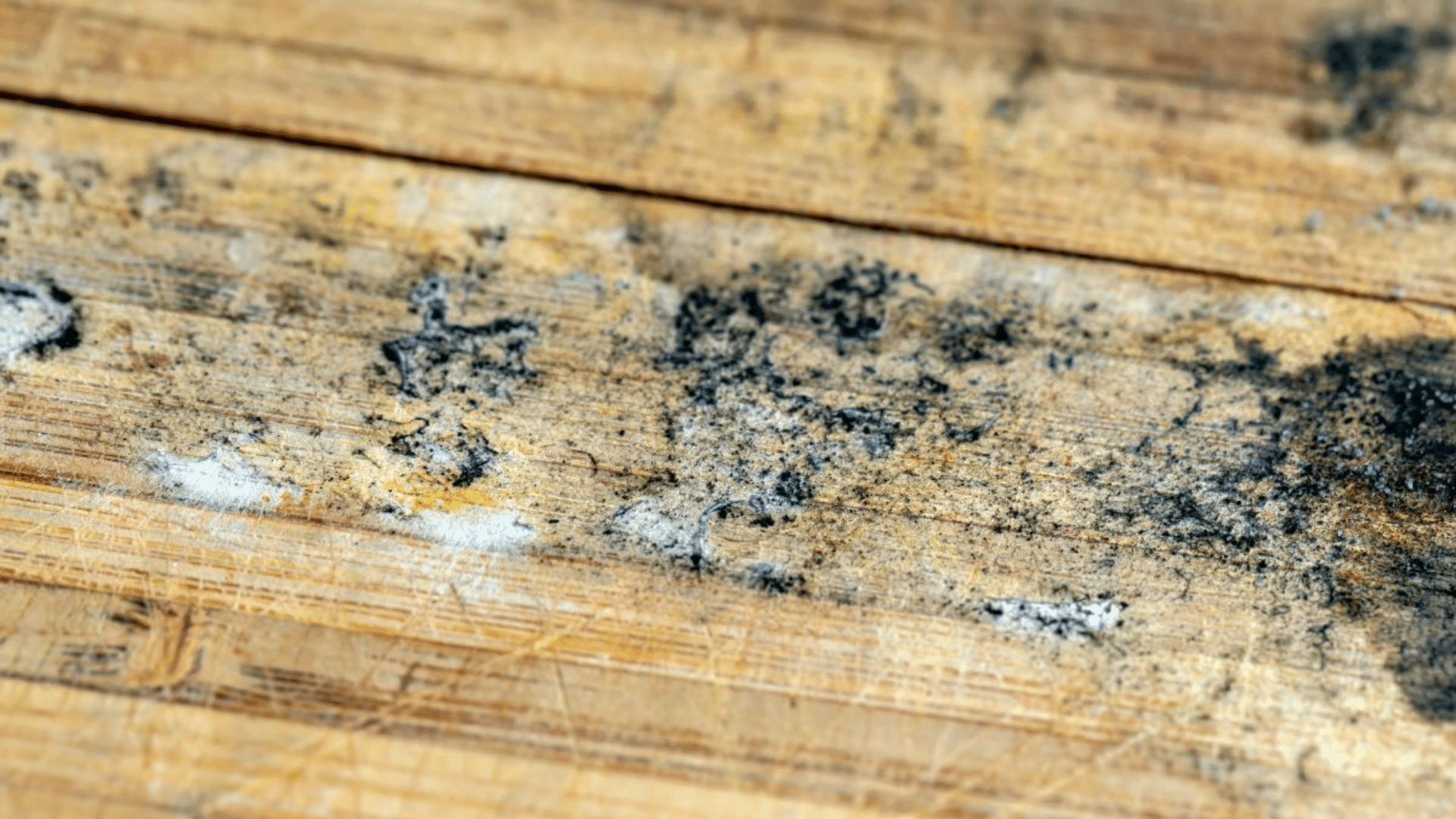
Before scrubbing anything, figure out what you’re actually dealing with. Treating the wrong problem wastes effort and can damage delicate wood finishes.
Tell the Difference Between Musty, Mold, and Stagnation
Not all bad smells come from the same source. Knowing which one you have shapes your entire approach.
- Musty or mildewy: Damp and earthy, often pointing to moisture trapped inside wood
- Mold: A sharper, rotten scent paired with black, green, or fuzzy patches
- Stagnation: A stale “closed-up” smell from lack of airflow, not active mold
- Urine or chemical odors: Distinct smells needing targeted treatments
If you spot visible mold, act quickly before it spreads. Soft or spongy wood means moisture has soaked deep into the fibers.
Inspect the Wood Itself
Tap the surface and check for warping, cracking, or soft spots. Solid wood that smells but looks intact usually responds well to cleaning. Warped or spongy pieces need more aggressive treatment like sanding or sealing.
Pro Tip: Smell each drawer separately. Treat the worst one first, then move outward.
Empty the Dresser and Vacuum Every Crevice
A clean surface is essential before any deodorizing method can work. Dust and debris actually trap odor particles and feed mold spores.
Clear Out All Contents
Remove every item, including clothes, papers, and old receipts. Inspect each piece for signs of mold or dampness before returning it later.
- Pull out all drawers and removable shelves
- Vacuum the interior, exterior, corners, and drawer tracks
- Use a coarse brush or broom to dislodge stuck grime
- Empty the vacuum canister outside to avoid spreading spores indoors
Wipe Down All Surfaces
Mix warm water with a small amount of mild soap. Dampen a microfiber cloth until it’s barely wet, then wipe every surface inside and out. For sticky residue, make a paste of baking soda and water, scrub gently, and wipe clean.
Never soak the wood. Excess moisture feeds the very problem you’re trying to fix. Let everything air dry completely before moving on.
Neutralize Odors with White Vinegar
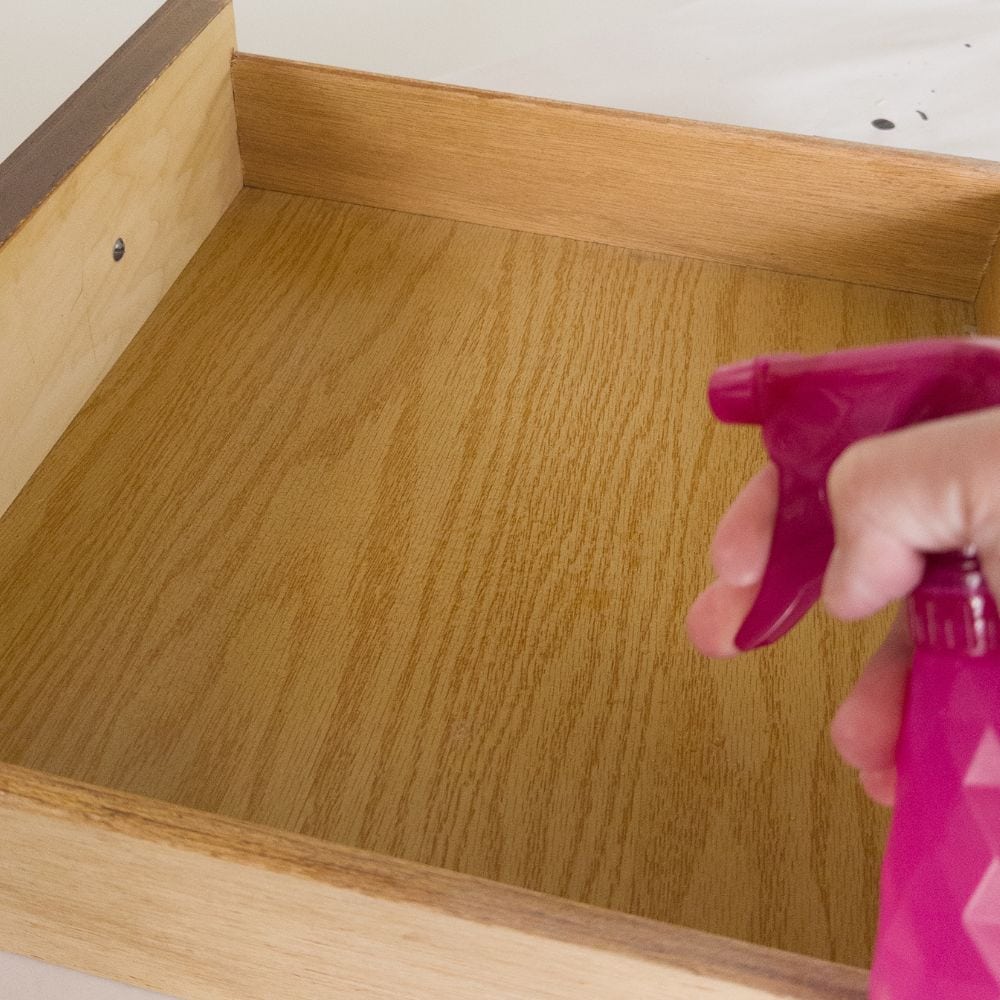
Vinegar breaks down odor molecules and kills bacteria and mold without harsh chemicals. It’s one of the most effective tools for learning how to get musty smell out of dresser naturally.
Make a Vinegar Cleaning Spray
Combine equal parts distilled white vinegar and water in a spray bottle. Mist lightly inside drawers and across the main cabinet body. Wipe all surfaces with a cloth dampened in the same solution, then let everything air dry.
The vinegar smell disappears within hours, taking the musty odor with it.
Treat Stubborn Spots
For areas that still smell after the first pass, use full-strength vinegar. Soak a cloth, press it against the smelly spot for 10 to 15 minutes, then wipe dry. Repeat as needed.
Test on a hidden area first if the finish is delicate. Apple cider vinegar works in a pinch, but distilled white vinegar delivers stronger results.
Absorb Lingering Odors with Baking Soda
Baking soda pulls odors out of wood like a magnet. It works especially well on acidic or organic smells that other methods leave behind.
Sprinkle It Directly on Wood
Spread a generous, even layer of baking soda across drawer bottoms and inside the cabinet. Let it sit for 24 hours, then vacuum or wipe it away completely.
For extra strength, mix one cup of baking soda with 10 drops of tea tree or lavender oil. Sprinkle the mixture inside, leave for 2 to 4 hours, then remove.
Set Up Passive Odor Traps
Fill small bowls, old socks, or cloth bags with fresh baking soda. Place one in each drawer and close them tightly. Leave for 1 to 2 weeks for deep smells, and replace the baking soda every month to prevent future odors.
Pro Tip: Closed drawers concentrate the baking soda’s power. Keep them shut during treatment.
Use Activated Charcoal for Tough Odors

When baking soda doesn’t quite cut it, activated charcoal steps in with serious absorption power.
Why Charcoal Works So Well
One gram of activated charcoal has over 1,000 square meters of surface area. That microscopic structure traps odor molecules far more effectively than most household remedies.
Place charcoal bags, blocks, or loose charcoal in bowls inside each drawer and the main cabinet. Leave for 3 to 7 days, longer for severe smells.
Recharge the Charcoal in Sunlight
Most charcoal bags can be revived by placing them in direct sunlight for 2 to 3 hours. UV rays clear trapped particles and restore absorption capacity. Charcoal leaves no scent and no residue, making it safe around kids and pets.
Add Cedar and Essential Oils for Freshness
These won’t fix the root problem, but they help maintain a fresh scent once the main odor is gone.
Place Cedar Rings or Chips
Cedar naturally repels moths and offers mild deodorizing qualities. Drop 2 to 4 cedar rings into each drawer and replace them every 6 to 12 months as the scent fades.
Infuse with Essential Oils
Add 5 to 10 drops of tea tree, lavender, or lemon oil to baking soda bowls, cotton balls, or a nearby diffuser. Never apply essential oils directly to bare wood, since they can stain or damage finishes.
Use Sunlight and Fresh Air to Kill Mold
Nature offers two of the best disinfectants available: UV rays and moving air.
Dry the Dresser Outdoors
Place the dresser and its drawers in direct sunlight for 4 to 6 hours. UV light kills mold spores while heat pulls trapped moisture out of the wood. Rotate the piece every hour to avoid fading or cracking the finish.
Boost Airflow Indoors
If moving the dresser outside isn’t realistic, open all drawers and point a fan directly into the cabinet. Run a HEPA air purifier nearby to capture airborne spores. Leave the setup for 24 to 72 hours for the best effect.
Control Moisture to Prevent the Smell from Returning
Musty odors always come back if humidity stays high. Long-term prevention requires managing moisture at the source.
Add Moisture Absorbers Inside
Place silica gel packs, rechargeable dehumidifier bags, or charcoal sachets inside each drawer. Replace or recharge them monthly for continuous protection.
Move the Dresser to a Better Spot
Avoid placing dressers against cold exterior walls, in basements, or near leaky windows. Use a room dehumidifier if indoor humidity regularly climbs above 50%.
Store Clothes the Right Way
Never put damp clothes into drawers. Use breathable cotton bags instead of plastic, which traps moisture. Air out seasonal clothing before storing it away.
Sand and Seal When Nothing Else Works
If the smell lingers after every cleaning attempt, it’s likely trapped deep inside the wood grain. Sealing is the final option.
Sand the Interior Surfaces
Use medium-grit sandpaper (120 to 150 grit) on drawer interiors and the cabinet body. Sand until the surface feels slightly rough, which opens the pores for better sealing. Vacuum all dust thoroughly before moving forward.
Apply an Odor-Blocking Primer
Use a stain-blocking primer like KILZ Multi-Surface or Zinsser B-I-N, both designed to lock in stubborn odors. Apply 2 to 3 coats with a brush or foam roller, letting each coat dry fully. Paint or wax over the primer if desired.
Finish with Protection
Once sealed, add a layer of furniture wax or polyurethane for durability. A scented wood conditioner can provide a fresh, natural aroma without masking underlying problems.
Target Specific Smells with the Right Protocol
:max_bytes(150000):strip_icc()/clean-mold-off-wood-4767277-Vertical-FINAL-50d54949a7af4fc6a81c5ab2071249c4.png)
Different odors need different approaches. Here’s how to handle the most common scenarios.
Urine Smell
- Spray the affected area with a 1:1 vinegar-water solution
- Blot dry, then sprinkle baking soda thickly over the spot
- Wait 24 hours and vacuum it up
- Repeat if needed, or sand and seal as a last resort
Heavy Mold or Mildew
- Put on gloves and a mask
- Scrub with a solution of 1 part bleach to 3 parts water
- Rinse with a damp cloth and dry in sunlight
- Lightly sand moldy areas and seal with KILZ primer
Warning: Never mix bleach and vinegar. The combination creates toxic fumes.
New Furniture Off-Gassing
- Air out the piece in a ventilated room or shaded porch
- Wipe surfaces with diluted vinegar (1:3 ratio)
- Place activated charcoal inside the drawers
- Avoid sealing since these odors fade naturally within weeks
“Nursing Home” Stale Smell
- Clean thoroughly with Murphy’s Oil Soap
- Place cedar rings and lavender-scented baking soda in the drawers
- Run a HEPA air purifier in the room for 24 hours or longer
Keep the Dresser Fresh Long-Term
Once the smell is gone, a few simple habits keep it from coming back.
Maintain Air Circulation
Leave drawers slightly open when possible and avoid overpacking them. Use drawer organizers to create airflow between clothing items, and rotate seasonal clothes regularly.
Schedule Monthly Maintenance
Vacuum the interior every 1 to 2 months and refresh baking soda, charcoal, or silica gel. Wipe down surfaces with a vinegar solution if you notice any hint of dampness.
Inspect for Early Warning Signs
Check regularly for dark spots, fuzzy growth, or soft wood. Catching mold early makes treatment far easier and prevents the smell from returning.
Frequently Asked Questions About Musty Dresser Smells
Why does my dresser smell musty in the first place?
Musty odors usually come from trapped moisture, poor airflow, or hidden mold growth inside the wood. Dressers stored in humid basements, against cold walls, or closed up for long periods are especially prone to developing that smell.
Can a musty smell be completely removed from wood?
Yes, in most cases. Surface-level mustiness responds to cleaning and odor absorbers. Deeper smells may require sanding and sealing with an odor-blocking primer, but nearly every dresser can be saved with the right approach.
Does baking soda really remove musty odors from furniture?
Baking soda absorbs acidic and organic odor molecules effectively, especially in enclosed spaces like drawers. Leaving it for 24 hours or longer pulls odors out of wood without damaging the finish.
How long does it take to get musty smell out of a dresser?
Mild cases clear up within a day or two using vinegar and baking soda. Severe odors trapped deep in the wood may take 1 to 2 weeks with charcoal or multiple cleaning cycles. Sanding and sealing adds another day or two for drying time.
Will vinegar damage my wood dresser?
Diluted vinegar is safe for most sealed wood finishes. Always test on a hidden spot first, and never soak the wood. Excess moisture, not vinegar itself, is the real risk to wood furniture.
How do I prevent my dresser from smelling musty again?
Control humidity, keep drawers from being packed too tightly, and refresh odor absorbers every month or two. Avoid placing the dresser in damp rooms and store only completely dry clothing inside.
Key Takeaways for Removing Musty Smell from a Dresser
Learning how to get musty smell out of dresser comes down to three core steps: clean thoroughly, absorb aggressively, and seal only when necessary. Start with vinegar and baking soda, since they handle most cases without risk to the wood. Bring in activated charcoal for stubborn odors, and reserve sanding plus primer for smells that resist everything else.
Your next step is simple: empty the dresser today, vacuum every corner, and start the vinegar treatment tonight. Within 48 hours, you’ll likely notice a dramatic difference, and within a week, the musty smell should be completely gone.


