
How to Style Kitchen Shelves: Easy Tips & Ideas
Open kitchen shelves are more than just storage—they are a canvas for self-expression, blending beauty and practicality in a way that brings your daily life into view. Whether you are revamping a small galley kitchen or styling expansive open-concept shelving, how to style kitchen shelves effectively comes down to one thing: balance. You need balance between function and design, between simplicity and personality, between order and creativity. Done right, your shelves become a curated gallery of your lifestyle where every favorite mug, hand-thrown bowl, or trailing pothos plant feels just as intentional as it does inviting.
This guide cuts through the noise with actionable, expert-backed strategies to style your shelves beautifully while keeping them usable. From choosing color palettes and mixing materials to building vignettes and avoiding clutter, you will learn how to create a look that is both polished and personal without needing an interior designer.
Create Functional Zones Based on Shelf Height
Assign Purpose by Accessibility
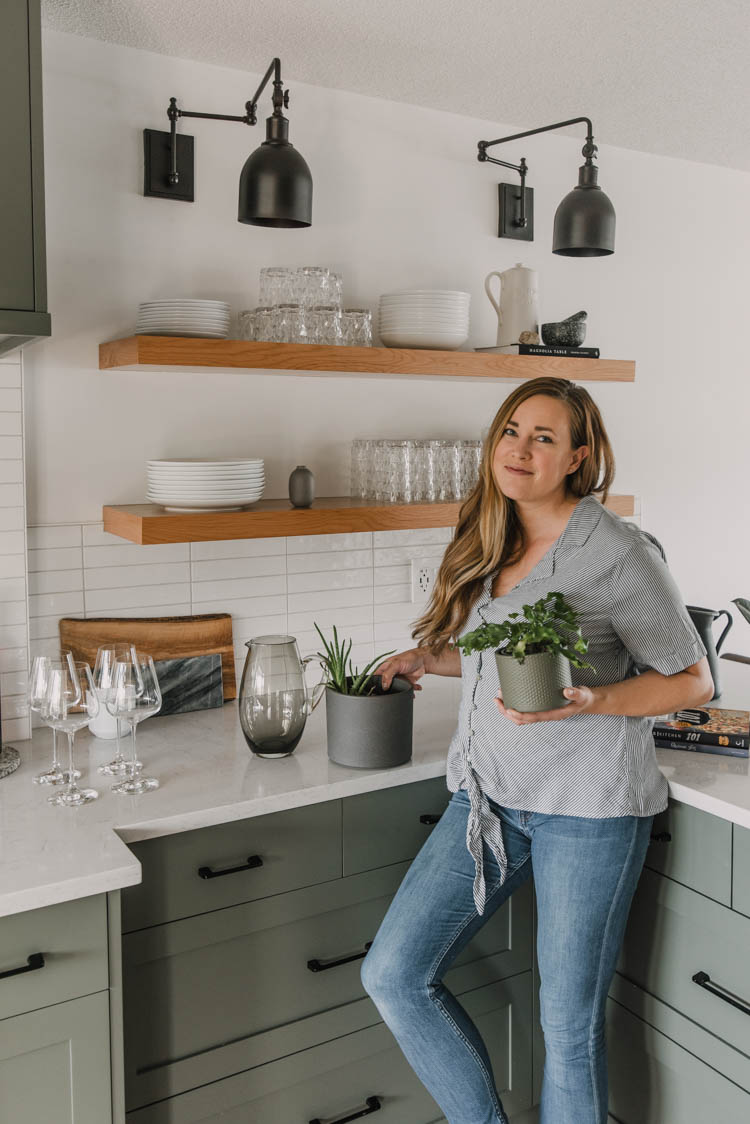
Not all shelf space is equal, and mapping out how you use your kitchen is the first step to styling success. Match items to shelf zones based on frequency of use to ensure your shelves work as hard as you do.
Lower shelves should be reserved for everyday essentials like plates, bowls, glasses, and mugs. These items need to be within easy reach so you can grab them without thinking twice during meal prep. Middle shelves are perfect for mixing utility with style. Store serving platters, pitchers, mixing bowls, and small decor like candles or mini plants here. Upper shelves should be used for visual impact rather than convenience. Display art, vintage pieces, ginger jars, or seasonal accents you will not grab daily.
Pro Tip: Keep 30% negative space across all shelves to prevent visual overload and let your standout pieces shine.
Use Containment for Clutter Control
Even functional items can look chaotic without structure. Group like items using trays, baskets, or canisters to create order within your display.
Place wooden trays under coffee supplies or olive oil and vinegar bottles for a clean, organized look. Use woven baskets to corral spice packets or tea bags. Store utensils in ceramic crocks or repurposed jars. This approach keeps things accessible while maintaining a styled, intentional appearance.
Choose a Cohesive Color Palette
Stick to the One-Accent-Plus-White Rule
Overcomplicating your colors leads to visual noise. A simple formula ensures harmony without requiring an eye for design.
Your base should be neutral: beige, gray, ivory, or black. Choose one bold accent color like oceanic blue, earthy green, or deep burgundy. Fill the remainder with white or off-white dishware and containers. This creates rhythm without rigidity, making it ideal for both beginners and pros.
Pull Hues from an Inspiration Piece
Want guaranteed cohesion? Let one item guide your entire palette. Choose artwork, a rug, or even painted cabinetry as your color source, then match dishware, towels, vases, and small decor to specific shades in that piece.
Example: A landscape painting with blues, greens, and browns inspired matching stoneware, ceramic vases, and wood accents, tying the whole kitchen together effortlessly.
Mix Materials for Texture and Depth
Layer Contrasting Textures
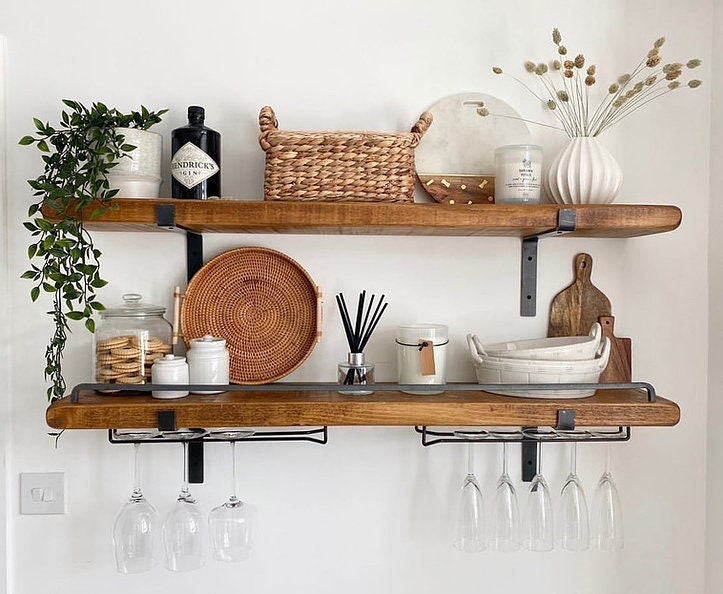
Flat, uniform shelves feel sterile. Introduce warmth and dimension by mixing different materials throughout your display.
Wood adds warmth and works beautifully as trays, bowls, or cutting boards. Ceramic and stoneware provide smooth, tactile surfaces ideal for dinnerware and canisters. Metal introduces shine or patina through copper planters or aged brass accents. Glass and porcelain offer elegance and transparency through cloches, cake stands, and vases. Natural fibers bring softness through rattan trays, linen towels, and woven baskets. Stone and concrete add weight and modern edge through speckled bowls or melamine sets.
Pro Tip: Combine matte and glossy finishes by placing a matte clay mug next to a glossy ceramic pitcher for subtle contrast that catches the eye.
Vary Thickness and Weight
Avoid monotony by mixing heavy and delicate items throughout your shelves. Pair thick stoneware with delicate glassware. Place a heavy marble-look melamine bowl next to a thin porcelain cup. This dynamic contrast keeps the eye moving and adds sophistication to your display.
Build Visual Flow with the Diagonal Rule

Arrange Items in a Zigzag Pattern
Static, grid-like arrangements feel dull and lifeless. Instead, create rhythm using the diagonal rule to guide the eye across your shelves.
Position key items like vases, cloches, and mugs at staggered positions that form an imaginary diagonal line. Repeat colors or shapes in opposing corners, such as a blue mug on the lower left and a blue vase on the upper right. This technique guides the eye upward and across, creating movement and balance.
Stagger Heights for Dynamic Layers
Flat shelves equal boring shelves. Add dimension by varying the height of items on each shelf.
Stack cookbooks under a small plant to create instant height variation. Use a cake stand or riser to elevate a bowl or cloche. Place taller items like pitchers and vases toward the back, and position shorter items in front. If your shelf looks like a spreadsheet, you have missed the mark.
Design Styled Vignettes
Cluster in Groups of Three to Five
Humans naturally respond to odd numbers. Group items in threes or fives for visual appeal that feels intentional rather than random.
Example vignette for a coffee corner: start with a white ceramic canister as your anchor, flank with two mismatched mugs on a wood saucer, and add a mini copper planter with trailing ivy as your accent. For a dinnerware display, anchor with a large glass cake stand, flank with two wood grain bowls, and finish with a sprig of eucalyptus.
Layer for a Collected-Over-Time Look
Make shelves feel lived-in, not staged, by adding subtle layered touches. Lean a cutting board slightly against the wall behind bowls. Let a linen towel drape partially over a tray. Overlap a cookbook under a vase. These small details mimic real life and make your shelves feel authentic.
Add a Focal Point on Every Shelf
Choose a Statement Piece
Each shelf should have one hero item that draws the eye immediately. Large artwork, a hand-painted platter, or a bold-colored vase can serve as your focal point. Place it slightly off-center or at eye level for maximum impact.
Example: A hand-painted blue-and-green landscape became the color anchor for one kitchen, with its tones echoed in dishware, towels, and ceramic accents throughout.
Use Art to Set the Theme
Do not underestimate wall decor. A single framed piece can unify an entire shelf display. Choose prints with colors that appear in your dishes or textiles. Try botanical illustrations, vintage labels, or abstract art with kitchen-friendly hues. Mount it behind or beside the shelf for continuity.
Personalize with Theme and Story
Match Your Kitchen Vibe
Your shelves should reflect your personal style. Pick a theme and let it guide your selections.
Coastal summer works well with blue stoneware, seashells, and sand-textured glaze. Rustic farmhouse features wood trays, milk glass, and mason jars. Modern minimalist embraces monochrome dishes and hidden clutter. Vintage eclectic showcases thrifted silver, mismatched china, and handmade pottery. Scandinavian focuses on white space, light wood, and black accents. Bohemian celebrates global pottery, woven baskets, plants, and bold colors.
Pro Tip: Use sparingly if choosing a bold theme like MacKenzie-Childs Courtly Check. Limit to two to three pieces per shelf to avoid overwhelming the space.
Showcase Heirlooms and Thrifted Finds
The best shelves tell a story. Display handmade pottery from a trip abroad. Use vintage silverware as utensil holders. Frame a family recipe card and hang it nearby. These personal touches make your kitchen uniquely yours.
Incorporate Greenery for Life and Softness
Choose Low-Maintenance Plants
Greenery softens hard surfaces and adds freshness to your kitchen. Herbs like rosemary, thyme, and mint are functional and fragrant. Trailing plants like pothos, ivy, and string of pearls add movement. Succulents provide an easy-care, modern look. Dried stems like eucalyptus and wheat last all season long.
Style with Natural Pots
Match your planters to your theme. Terracotta reads as rustic and earthy. Copper feels warm and vintage. White ceramic looks clean and modern. Repurposed mugs add a quirky, personal touch. Place plants near windows for light, and rotate seasonally for variety.
Avoid Common Styling Mistakes
Do Not Overcrowd
More is not better when it comes to shelf styling. Overcrowding kills flow and makes your space feel chaotic. Edit ruthlessly—if an item is not useful or beautiful, store it elsewhere. Leave breathing room, and remember that 30% negative space is key to a polished look.
Do Not Ignore Practicality
A shelf full of art but no plates is frustrating to live with daily. Prioritize daily-use items on lower shelves where they are easy to grab. Ask yourself: do I reach for this often? If not, move it up or out.
Do Not Forget Lighting
Well-lit shelves look intentional and inviting. Add LED puck lights under upper cabinets. Use small string lights behind glassware for ambiance if the setup is safe and dry.
Style by Kitchen Type and Lifestyle
Small Kitchens: Less Is More
Use narrow floating shelves to maximize limited space. Display only essentials, and stick to light-colored materials like white, beige, and light wood to keep the space feeling airy rather than cramped.
Large Kitchens: Create Zones
Install multiple shelf tiers to define different areas. Use shelves to separate a coffee station from a baking corner. Include statement pieces to anchor large walls and prevent the space from feeling empty.
Renters: Go Removable
Focus on removable decor that will not damage your security deposit. Use adhesive or tension-mounted shelves. Focus on items that are easy to take down, like trays, plants, and art. Avoid drilling by using Command strips for lightweight items.
Home Chefs: Style and Function
Display quality tools like wooden spoons and copper pans. Organize by function: baking supplies in one area, coffee essentials in another. Use rail systems like IKEA ENHET for hanging utensils and jars.
Frequently Asked Questions About Styling Kitchen Shelves
How do I make my kitchen shelves look cohesive?
Stick to a simple color formula: a neutral base, one accent color, and white filler pieces. Group items by color, material, and texture. Use a focal point or inspiration piece to guide your selections.
How do I style open kitchen shelves without cluttering them?
Leave 30% negative space on each shelf. Edit ruthlessly and only display items you love or use daily. Use containment tools like trays and baskets to group similar items.
What should I put on the top shelf of my kitchen?
Reserve upper shelves for decorative items you do not need daily. Display artwork, vintage collectibles, seasonal decor, or statement pieces that create visual impact.
How often should I update my kitchen shelf styling?
Refresh your shelves seasonally to match changing moods and holidays. Spend 60 seconds daily straightening shelves to prevent chaos from building up.
Can I mix different styles on kitchen shelves?
Yes, but stick to a unifying element like color, material, or theme. Mix vintage with modern by anchoring with a cohesive palette.
Key Takeaways for Styling Kitchen Shelves
Styling kitchen shelves is not about achieving perfection. It is about creating a space that reflects your personality and serves your daily life. Start with a clear plan: choose a cohesive color palette, assign functional zones based on shelf height, and mix materials for texture and depth. Apply the diagonal rule to create visual flow, build vignettes in groups of three to five, and always leave room for negative space.
Remember to step back and photograph your work. This simple habit reveals imbalances your eyes miss in real time. Edit ruthlessly, rotate seasonal items, and let your shelves evolve with you. Whether you are drawn to coastal calm or bohemian boldness, the goal remains the same: a kitchen that feels as good as it looks.
Start small, trust your instincts, and let your shelves tell your story.


