How to Organize Bathroom Closet with Deep Shelves
If you are struggling to find what you need in your bathroom closet, only to pull out half the shelf to reach that spare roll of toilet paper, you are not alone. Organizing a bathroom closet with deep shelves can be frustrating when items vanish into the back and clutter builds up out of sight. But deep shelves do not have to mean disorganized shelves. With the right strategy, those extra inches of depth become an asset, not an obstacle. This guide reveals how to turn deep, hard-to-reach spaces into smart, accessible storage zones using proven organization systems, space-saving tools, and simple routines that keep everything visible and within reach.
You will learn how to declutter effectively, zone your storage by category, and choose the best organizers from pull-out bins to tiered risers that make every inch usable. Whether you are managing a family is worth of towels or curating a serene guest bath, these practical, tested solutions will help you build a bathroom closet that stays neat, looks great, and works for real life.
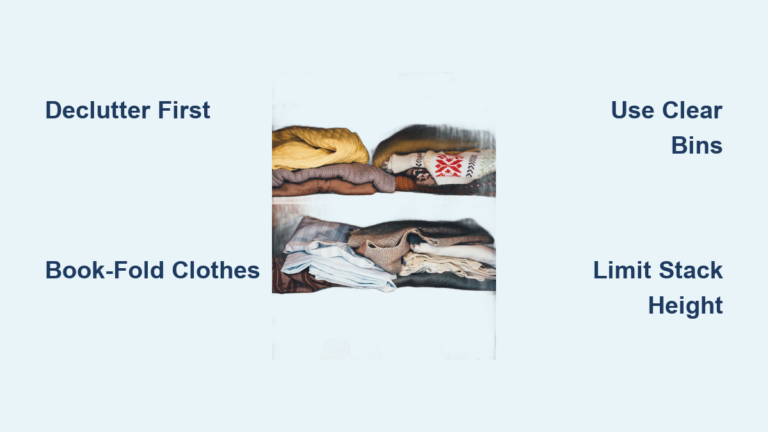
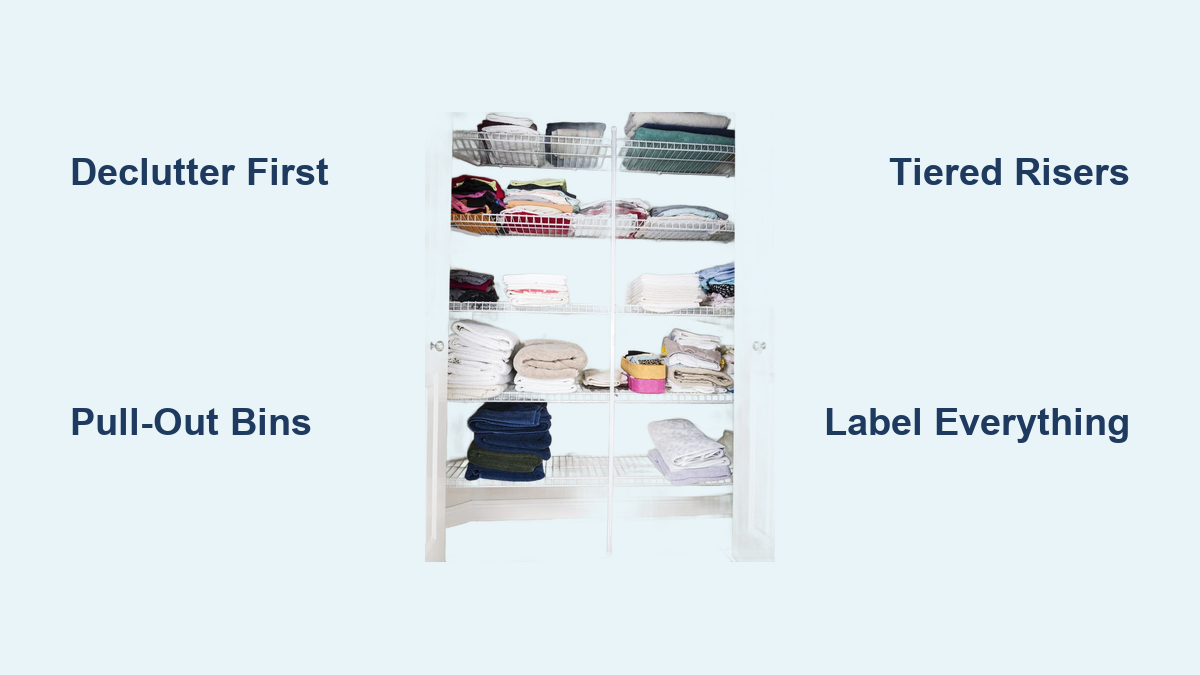
Declutter First: Empty and Assess Your Deep Bathroom Closet
Before adding any bins or baskets, start with a clean slate. A deep shelf hides clutter easily, so a full reset is essential. Removing everything from the closet gives you a chance to see the full space, clean thoroughly, and evaluate what you actually own. Lay items on a bed or table so they are visible and easier to sort.
Empty Everything From Your Bathroom Closet
Remove all items from the closet completely. This step seems obvious, but it is where most people skip ahead. By taking everything out, you create a blank canvas and expose hidden clutter that has accumulated over months or years. Place items on a flat surface like a bed, table, or floor where you can see everything at once.
Sort Items by Category and Frequency of Use
Group items into clear piles based on how you use them. Create separate piles for towels including bath, hand, and washcloths. Make another pile for toilet paper and tissues. Group toiletries like toothpaste, razors, and skincare together. Separate hair tools and accessories into their own category. Create piles for cleaning supplies, medications and first aid, and guest amenities. This step helps you see duplicates, expired products, and items you no longer use.
Declutter Ruthlessly to Free Up Space
Toss or donate anything that is expired, worn out, or no longer serves your household. This includes expired medications, sunscreen, and opened skincare products. Discard worn-out washcloths or mismatched towel halves. Get rid of dried-up makeup, empty bottles, and broken tools. Remove any unused travel-sized products that have been sitting there for months. Keep only what your household uses regularly. The goal is to free up space so your deep shelves enhance, not hinder, your organization efforts.
Create Smart Storage Zones in Your Deep Bathroom Closet

Once you have pared down your belongings, assign each category to a specific shelf or section. A zoned system prevents mixing categories and makes retrieval fast and intuitive. When everything has a designated home, putting items back becomes effortless.
Top Shelf: Infrequent Use Items
Store seasonal items, guest towels, or backup supplies on the top shelf. Since it is harder to reach, avoid placing heavy or daily-use products here. This is the perfect spot for items you only need a few times per year, such as holiday-themed towels or extra bath mats.
Eye-Level Shelves: Daily Essentials
Place frequently used items like daily toiletries, hand soaps, and everyday towels at eye level. These should be the easiest to access in your bathroom closet with deep shelves. When daily items are within arm is reach, your morning routine becomes smoother and faster.
Middle Shelves: Bulk Supplies
The middle shelves are ideal for toilet paper, cleaning sprays, or large refill bottles. Use front-loading bins so you can grab one roll or bottle without disturbing the rest. This zone works well for items you go through regularly but do not need to access multiple times per day.
Bottom Shelf: Heavy or Rolling Items
Store bulky towel stacks, laundry detergent, or baskets with casters on the bottom shelf. Keeping weight low prevents tipping and makes heavy loads easier to slide in and out. Rolling baskets are especially useful here because they can be pulled forward without lifting.
Maximize Deep Shelf Accessibility With Smart Solutions
The biggest challenge with deep shelves is reaching the back area. These solutions bring buried items forward and make every inch of your deep bathroom closet usable without frustration.
Install Pull-Out Bins or Drawers
Rolling baskets on telescoping slides transform deep shelves into accessible drawers. You can pull out cleaning supplies, extra shampoo, or hair tools without digging through everything in front. Choose metal or heavy-duty plastic bins for durability. Ensure they fit your shelf depth with half-inch clearance on each side. Opt for full-extension glides so the back is fully exposed when pulled out. These organizers are worth the investment for high-traffic bathrooms.
Use Tiered Shelf Risers
A shelf riser creates two levels on one shelf, similar to stadium seating for your supplies. Place small bottles or backup toiletries in the back at an elevated position. Keep daily-use items in front at a lower height. This approach works great for displaying rolled towels or organizing skincare products. Acrylic or wire risers work best because they are sturdy and do not block light.
Add Lazy Susans for Corner Access
For deep corner shelves, a rotating turntable brings rear items to the front with a simple spin. This solution is ideal for hair tools, nail kits, or skincare bottles. Choose non-slip models to prevent sliding during use. Select smaller 8 to 12 inch turntables for tight spaces. One spin, and everything is within reach.
Choose the Right Bins and Baskets for Deep Shelves

Containers define your system. The wrong shape or size can waste space or make access harder. Selecting appropriate bins is crucial for making the most of your deep bathroom closet.
Pick Rectangular, Front-Loading Bins
Round bins waste corner space on deep shelves. Instead, use long, narrow baskets that span the full depth. Front edges under 3 inches high allow easy grabbing. A depth of 12 to 14 inches ensures back items stay reachable. Consider materials like woven seagrass for a stylish, natural look. Plastic or acrylic works well because it is moisture-resistant and easy to clean. Fabric bins with frames offer a soft aesthetic and fold flat when not in use. Avoid overly deep bins because anything deeper than 14 inches defeats the purpose of easy access.
Use Stackable, Clear Containers
Stackable bins double your vertical space. Clear ones let you see contents instantly without opening or digging. Store backup toothbrushes, cotton swabs, or dental floss in these containers. Label opaque bins with chalkboard tags or sticker labels. Stick to uniform sizes for a clean, built-in look. Brands like mDesign and SimpleHouseware offer affordable, durable options.
Optimize Towel Storage in Your Deep Bathroom Closet
Towels take up the most space in most bathroom closets. Deep shelves need smart folding and storage techniques to prevent stacks from toppling and to keep everything accessible.
Fold Towels Vertically Using File Folding
Instead of stacking flat, fold towels vertically like files in a drawer. Roll or fold them to fit basket height. Stand them upright so you can see and grab any towel without removing others. This method prevents digging and keeps stacks neat. Use long bins to hold 5 to 7 towels upright.
Roll Washcloths and Hand Towels
Roll smaller linens for a spa-like look and compact storage. Store them in cylindrical jars or small baskets. Color-code by family member or bathroom for easy identification. Place these rolled items in front of bath towel bins for quick access.
Install Towel Bars Inside the Closet
Maximize space by adding horizontal rods or bars to the side walls inside your bathroom closet. Hang towels to air dry or store them neatly. This approach prevents musty smells from piled damp linens. It works great for robes or guest towels.
Organize Toilet Paper Efficiently in Deep Shelves
Bulk toilet paper is a must for most households, but loose rolls can create chaos. Deep shelves are perfect for storage if you organize them well.
Use Front-Loading Roll Trays
Choose slide-out trays or low-front bins that hold rolls upright. Dispense from the front without digging through piles. Limit to 6 to 12 rolls per shelf to avoid overcrowding. Store additional packs elsewhere like a laundry room or basement. Clear acrylic tubes also keep rolls contained and tangle-free.
Mount Door Storage for Extra Space
Free up shelf space by adding over-the-door organizers. Slim pockets hold 4 to 6 rolls vertically. Hooks work well for extra rolls or cleaning cloths. This keeps rolls visible and easy to grab without opening the closet door.
Streamline Toiletries and Small Items
Tiny products disappear fast on deep shelves. Use small organizers to keep them visible and grouped by category.
Group Small Items in Trays or Baskets
Use acrylic trays or mini bins to organize hair ties and clips. Store nail clippers and files together. Keep travel-sized toiletries in one place. Group razors and shaving cream. One basket per person reduces mix-ups and keeps everyone is items separate.
Add Two-Tier Organizers
A double-decker tray places daily-use items in front with backups behind. The front tier works well for toothpaste, deodorant, and face wash. The back tier holds extras or refills. This saves space and reduces visual clutter. Two-tier organizers are perfect for eye-level shelves.
Secure Medications and Hazardous Items
Safety matters, especially in homes with children. Proper storage protects everyone while keeping your organization system intact.
Store Medications in Lockable or High-Up Bins
Use a labeled, lidded container for medications. Keep these out of reach or in a cabinet with a child lock. Include a small first aid kit, thermometer, and pain relievers in this storage area. Avoid storing medications in humid areas like under the sink.
Keep Cleaning Supplies Contained and Separate
Store cleaning supplies in closed bins to hide labels and prevent spills. Use non-slip shelf liners to keep bottles from sliding around. Always separate cleaning supplies from towels and toiletries to prevent contamination.
Enhance Visibility With Lighting in Deep Closets
Deep shelves can be dark, even with overhead lights. Adding lighting makes everything easier to find and keeps your system functioning well.
Add Under-Shelf LED Lights
Install battery-powered LED strips or motion-sensor puck lights. These lights turn on when you open the door. They illuminate the back of shelves without requiring any wiring. Choose warm white for a cozy look. Stick-on lights are easy to install and remove.
Label Everything for Long-Term Success
Labels keep systems intact, especially in shared bathrooms where multiple people use the space.
Use Clear, Consistent Labels
Use chalkboard tags, sticker labels, or a label maker for a professional look. Include both category and user on labels, such as Kids Hair Tools or Guest Towels. Update labels as needs change. Labels guide everyone to return items to the right spot.
Maintain Your System With Weekly Check-ins
Even the best system fails without regular upkeep. Building maintenance into your routine keeps clutter from creeping back.
Do a Five-Minute Weekly Reset
Reshelve any misplaced items. Wipe down bins and shelves. Restock low supplies like toilet paper and hand soap. A quick check prevents small problems from becoming big ones.
Seasonal Refresh Every Three to Six Months
Reassess your zones and categories. Declutter expired products. Adjust shelf heights if needed. Use this time to donate unused towels or toiletries to keep your system running smoothly.
Customize Your Deep Bathroom Closet for Your Household
Tailor the system to your lifestyle for the best results. A system that works for one family may not work for another.
For One or Two People
Focus on minimalism and efficiency. Use half the closet for towels and half for personal care. Add a small charging station or grooming caddy if needed. This approach keeps things simple and streamlined.
For Families
Assign color-coded bins by person. Use large pull-out baskets for shared supplies. Store backup rolls and bulk items on lower shelves where they are easy to reach. Families need more storage and easier access.
For Guest Bathrooms
Keep extra towels, soaps, and amenities in decorative baskets. Include a small basket with travel-sized toiletries for visitors. Use elegant bins for a polished look that impresses guests.
Avoid Common Deep Shelf Organization Mistakes
Even smart systems fail if you overlook these common pitfalls. Watch out for these mistakes to ensure your system works long-term.
Mistake: Overfilling Shelves
Leave 1 to 2 inches of clearance at the front for easy access. Overfilled shelves make it impossible to grab items without disturbing everything else.
Mistake: Using Round Bins
Choose rectangular containers that maximize depth and fit snugly. Round bins waste valuable space in deep closets.
Mistake: Ignoring Container Height
Measure shelf height after placing risers or bins. Do not assume measurements before you have selected your organizers.
Mistake: Mixing Categories
Keep zones distinct. Do not store cleaning spray next to toothbrushes. Mixing categories creates confusion and makes finding items harder.
Mistake: Forgetting the Bottom Shelf
Use rolling bins or low-profile baskets to make heavy items easy to pull out. The bottom shelf is valuable real estate that should not be wasted.
Final Checklist for Deep Bathroom Closet Success
Confirm that you have emptied and cleaned all shelves. Verify that you have sorted and decluttered by category. Double-check that you have measured shelf dimensions including depth and height. Ensure zones are assigned for daily use, bulk storage, and infrequent items. Confirm pull-out bins, risers, or turntables are installed. Add LED lighting for visibility if needed. Select front-loading, rectangular bins. Label all containers clearly. Verify towels are organized vertically and toilet paper efficiently. Confirm medications and cleaning supplies are secured. Train household members on the system. Schedule monthly maintenance checks to keep everything running smoothly.
Frequently Asked Questions About Organizing Bathroom Closet With Deep Shelves
What is the best way to access items at the back of deep bathroom shelves?
Pull-out bins on telescoping slides offer the best access to back items. Tiered shelf risers also help by elevating back items to a visible height. Lazy Susans work well for corner shelves. Choose solutions that let you retrieve items without removing everything in front.
How deep should bathroom closet organizers be?
Aim for organizers that are 12 to 14 inches deep. Anything deeper makes reaching back items difficult. Leave half-inch clearance on each side for smooth operation. Measure your shelves before purchasing to ensure a proper fit.
What type of bins work best for deep bathroom shelves?
Rectangular, front-loading bins work best. Avoid round bins because they waste corner space. Choose low fronts under 3 inches for easy grabbing. Clear bins help you see contents instantly. Materials like plastic, acrylic, or woven seagrass work well in humid bathroom environments.
How do I organize towels in a deep closet without them toppling?
Fold towels vertically using file folding and stand them upright in long bins. This prevents stacks from toppling and lets you grab any towel without removing others. Rolling washcloths and hand towels also saves space and reduces bulk. Use shelf dividers to keep towel stacks stable.
How often should I declutter my bathroom closet?
Do a quick check weekly during your five-minute reset. Perform a deeper declutter every three to six months as a seasonal refresh. This prevents expired products from building up and keeps your system working properly. Regular maintenance takes less time than dealing with a major clutter problem.
Key Takeaways for Organizing Your Deep Bathroom Closet
A deep bathroom closet does not have to be a black hole for lost items. With smart zoning, pull-out storage, tiered displays, and consistent labeling, you can turn depth into advantage. The result is a bathroom closet that is easy to use, pleasant to look at, and simple to maintain. Start by decluttering completely, then assign zones based on how often you use items. Invest in pull-out bins, risers, and appropriate containers that maximize your shelf depth. Add lighting if needed and label everything clearly. With weekly maintenance and seasonal refreshes, your system will stay organized for years to come. No more digging, no more clutter, just everything you need right where it should be.