
How Deep Are Closet Shelves: Standard Depths Explained
If you’re wondering how deep closet shelves should be, you’re not alone. This simple question shapes the entire efficiency of your storage space. Too shallow, and you lose capacity. Too deep, and items vanish into the back where you cannot reach them. The answer is not one-size-fits-all. Closet shelf depth depends on what you are storing, the type of closet you have, and how you access it. From folded sweaters to boots and linens, each item has an ideal shelf depth for visibility, reach, and organization.
This guide breaks down expert-recommended depths by closet type and storage purpose, helping you design or upgrade a closet that works for you. You will learn how to avoid common mistakes, maximize accessibility, and choose the right depth whether you are building custom or using modular systems.
Standard Shelf Depths by Closet Type
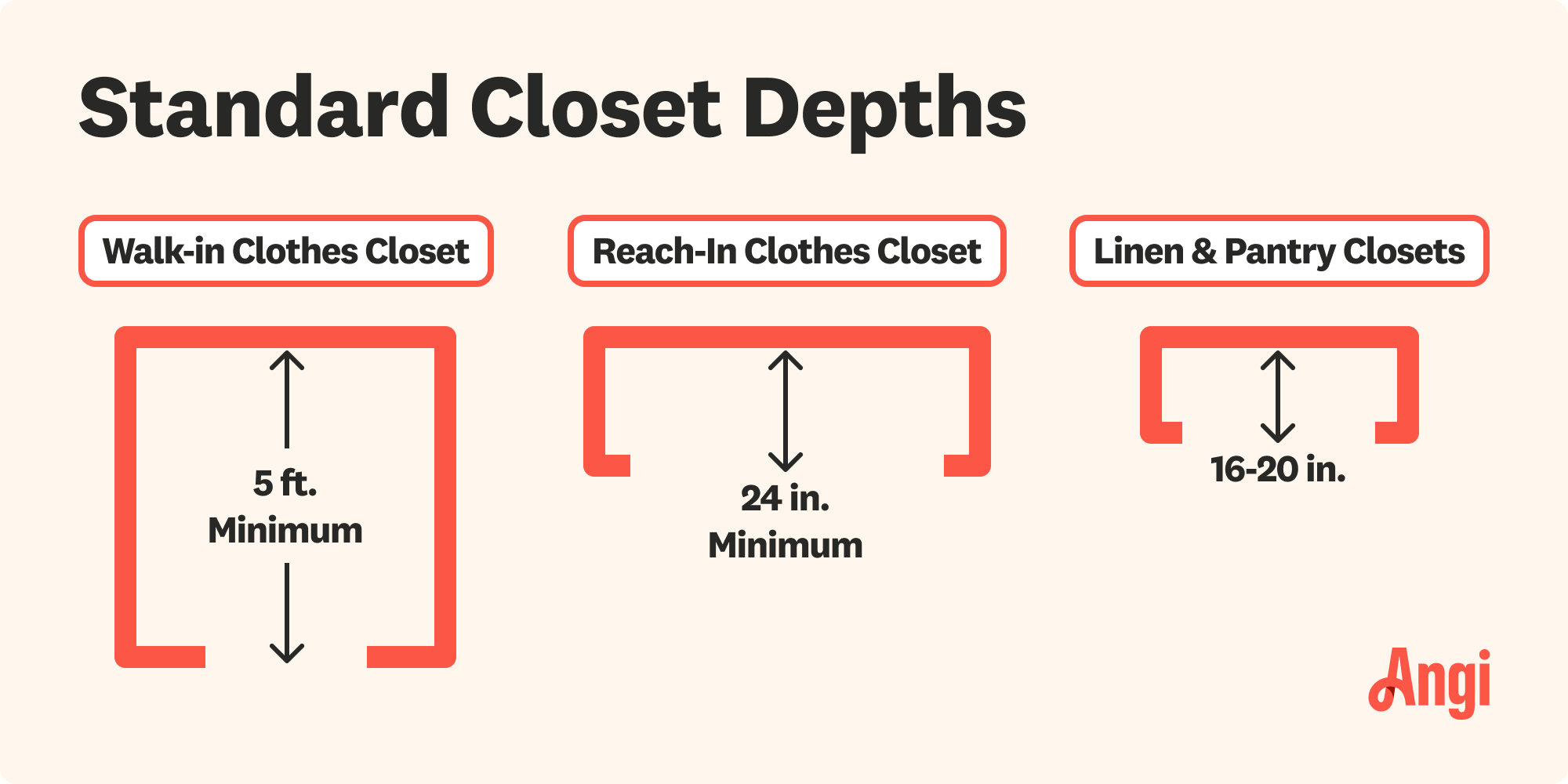
Reach-In Closet Shelves
12 Inches Is the Ideal Depth
Most reach-in closets benefit from 12-inch-deep shelves. This depth aligns with the average adult’s comfortable reach of about 14 inches, ensuring items stay visible and accessible. Deeper shelves, such as 16 inches, often create dead zones where items get lost. Since many reach-in closets use sliding doors, 12-inch shelves prevent obstruction where doors overlap in the center.
Avoid Over-Deepening
While 10 to 14 inches is acceptable for reach-in closets, avoid 16-inch shelves unless the closet is unusually deep. Excessive depth reduces usability and can interfere with door operation. Keep upper shelves at or below 12 inches for easier access.
Walk-In Closet Shelves
16 Inches for Maximum Utility
In walk-in closets, 16-inch shelves are ideal. This depth accommodates bulky items like folded blankets, sweater stacks, and large storage bins. With full access from the front, deeper shelves add usable surface area without sacrificing reach.
Mind the Aisle Space
If your walk-in is only 5 feet (60 inches) wide, using 16-inch shelves on both sides leaves just 28 inches of walking space. This is below the recommended 32 to 36 inches for comfort. In tight layouts, reduce shelf depth to 12 inches to preserve a comfortable aisle.
Linen Closet Shelves
12 to 16 Inches for Stability
Linen closets need 14 to 16-inch shelves for thick stacks of towels, comforters, and bedding. Shallower shelves at 12 inches work for lighter loads but may cause stacks to topple. Deeper shelves allow linens to breathe and stay neat.
Add Lighting and Labels
Pair 14 to 16-inch shelves with under-shelf LED lights and labeled bins. This prevents items from being buried and makes retrieval easy, especially in deep cabinets.
Wardrobe Closet Shelves
10 to 14 Inches for Compact Fit
Wardrobe closets, common in apartments or guest rooms, should use 10 to 14-inch shelves. These units often have swing or sliding doors, and deeper shelves can interfere with closure or protrude awkwardly.
Integrate Compact Features
Maximize utility with tilt-out bins, mirror-backed panels, or pull-out drawers. These features enhance access without increasing shelf depth.
Entryway and Mudroom Shelves
12 to 18 Inches for Gear Storage
Entryway closets store boots, backpacks, and seasonal gear, requiring 16 to 18-inch shelves for overhead bins. Use 12-inch shelves for daily items like gloves or hats to keep them within easy reach.
Zone Your Storage
Use a zoning strategy. Deeper upper shelves work for winter gear, while shallower lower shelves hold everyday accessories. Add boot trays and hooks to complete the system.
Shelf Depth by Stored Item

Folded Clothes: 12 to 14 Inches
Match the Garment Size
Most folded jeans, sweaters, and shirts are 9 to 11 inches deep. A 12 to 14-inch shelf provides 1 to 3 inches of clearance, preventing overhang and tipping. Shelves less than 12 inches may cause stacks to lean. Deeper than 14 inches buries items in the back.
Space Shelves 12 Inches Apart
Leave 12 inches between shelves to allow easy access and prevent compression. This spacing lets you lift out stacks without disturbing others.
Shoes: 10 to 12 Inches
One Pair Per Row
10 to 12-inch shelves fit one row of adult shoes without overhang. This depth keeps shoes upright and visible. For children’s shoes or flats, 8 to 10 inches may suffice.
Use Inclined Racks for Visibility
Instead of deepening shelves, consider angled shoe racks. These save space and improve visibility while maintaining a 10 to 12-inch depth.
Boots: Custom Solutions Needed
Boots do not fit well on standard shelves. Use pull-out boot racks or angled cubbies instead. These keep boots organized without requiring excessive shelf depth.
Linens and Towels: 14 to 16 Inches
Prevent Toppling Stacks
Towels and bedding fold bulkier than clothes. 16-inch shelves provide stability for tall stacks. For smaller linen closets, 12-inch shelves work if you use bins or dividers.
Rotate Seasonally
Store off-season linens on higher shelves. Use 16-inch depths for main storage and 12-inch for quick-access items.
Cleaning Supplies: 10 Inches
Fit Standard Bottles
Most cleaning sprays and bottles are 8 to 9 inches deep. A 10-inch shelf allows upright storage and easy retrieval. Deeper shelves waste space and make items harder to reach.
Pair with Door Racks
Maximize storage by adding over-the-door organizers for sponges, rags, or small bottles.
Handbags: 12 to 14 Inches
Store Upright Without Crowding
Handbags need 12 to 14-inch shelves to stand upright without leaning. Use dividers or shelf liners to prevent slipping.
Avoid Deep Piles
Never stack handbags more than two high. Rotate by season and use dust bags for protection.
Hats and Belts: 8 to 12 Inches
Hats: 8 to 10 Inches
Most hats fit on 8 to 10-inch shelves. Use shelf risers or hat stands to prevent crushing.
Belts and Scarves: 10 to 12 Inches
Pair 10 to 12-inch shelves with pull-out rods or hanging organizers. This keeps long items tangle-free and visible.
Ergonomic and Accessibility Guidelines
The 14-Inch Reach Rule
Shelves Beyond 14 Inches Become Dead Zones
The average person can comfortably reach 14 inches into a shelf. Anything deeper creates a black hole where items get forgotten. For high shelves, use even shallower depths of 10 to 12 inches to maintain accessibility.
Use Pull-Out Baskets for Deep Storage
If you need deeper shelves of 16 to 20 inches, install pull-out baskets or drawers. These bring back-row items forward, eliminating reach issues.
Vertical Placement Tips
Eye-Level: Daily-Use Items
Store folded shirts, accessories, or frequently worn items on eye-level shelves. Use 12 to 14-inch depths for optimal access.
Upper Shelves: Seasonal or Rarely Used
Reserve high shelves for out-of-season clothes or storage bins. Use 12-inch depths and add motion-activated LED lights for visibility.
Lower Shelves: Heavy Items
Place shoes, bins, or suitcases on lower shelves. Use 12 to 16-inch depths depending on item size. Avoid deep shelves here if bending is a concern.
Spacing Between Shelves
Folded Clothes: 12 Inches
Leave 12 inches between shelves to lift out stacks easily.
Shoes: 6 to 8 Inches
Allow 6 to 8 inches between shoe shelves to fit tallest heels or boots.
Bins and Boxes: Match Container Height
Adjust spacing based on bin size. Add 1 to 2 inches above for easy removal.
Space and Layout Constraints
The 5-Foot Walk-In Rule
12-Inch Shelves Preserve Aisle Width
In a 5-foot-wide walk-in closet, 16-inch shelves on both sides leave only 28 inches of walking space. This is too narrow for comfort. The minimum recommended aisle is 32 to 36 inches. Solution: Use 12-inch shelves to maintain adequate clearance.
Measure Before Building
Always measure your closet’s width before deciding shelf depth. Even in walk-ins, function trumps depth.
Door Type Affects Shelf Depth
Sliding Doors: Stick to 12 Inches
Sliding doors block access to the center. 12-inch shelves ensure usable space is not lost behind door overlap.
Swing Doors: 16 Inches Are Feasible
With full front access, swing-door closets can support 16-inch shelves without compromising usability.
Header Clearance Matters
Check for Obstructions
In many homes, the top shelf sits at 84 inches, with a door header at 72 inches. A 16-inch-deep shelf may leave insufficient space to lift bins over the header. Test clearance before installation.
Customization and Flexibility
Benefits of Adjustable Shelving
Adapt to Changing Needs
Adjustable shelving systems let you change depth and spacing over time. These are ideal for growing families or shifting storage needs, such as transitioning from baby clothes to adult apparel.
Use in Modular Systems
IKEA PAX, Bella Systems, and other modular units offer adjustable brackets. Set shelves at 12, 14, or 16 inches based on current use.
Built-In Versus Freestanding
Built-In: Fully Customizable
Built-in shelves can be tailored to exact depths, such as 14 inches for sweaters and 10 inches for supplies. They are sturdy, seamless, and maximize space.
Freestanding: Limited by Design
Freestanding units like bookcases often come in fixed depths of 12 or 16 inches. Choose based on your primary storage items.
Avoid These Common Mistakes
Using Uniform Shelf Depth
Do not use the same depth for shoes, linens, and clothes. Tailor each shelf to its purpose. Use 10 inches for cleaning supplies, 16 inches for towels, and 12 inches for shirts.
Over-Deepening in Small Closets
Avoid 16-inch shelves in reach-in closets. They create inaccessible zones and reduce usability.
Ignoring Door Swing and Clearance
Ensure shelves do not interfere with door swing or header space. Test clearance with a mock-up before installation.
Skipping Proper Lighting
Deep shelves become dark without under-shelf LED strips or motion-activated lights. Illuminate every level for full visibility.
Not Measuring the Full Space
Closets are not always square. Measure at top, middle, and bottom. You may find variances that affect shelf depth.
Planning Tools and Resources
Measuring Tools
Laser Tape Measure for Accuracy
Use a laser measure for precise readings in tight spaces. It is faster and more accurate than a traditional tape.
Traditional Tape Measure
A standard tape works well. Just measure at multiple points to check for out-of-square walls.
Design Software
EasyClosets and IKEA PAX Planner
Use EasyClosets or the IKEA PAX Planner to visualize shelf depth in 3D. Test different configurations before buying.
Bella Systems Design Tool
For custom systems, Bella’s tool includes lighting, pull-outs, and depth customization.
Plan Before You Buy
Audit Your Storage First
Know what you are storing before choosing depths. Sort items by size and frequency of use.
Follow the Buy Once Rule
Invest time upfront to avoid costly re-dos. A well-planned closet lasts decades.
Cost and Material Tips
DIY Versus Professional Installation
DIY Saves Thousands
Building your own solid wood system costs $600 to $2,500. Professional installations of similar quality run $4,000 to $12,000 or more. DIY lets you spend more on materials.
Choose Durable Materials
Solid wood shelves support heavy loads and last longer than MDF or laminate. Use ventilated or slatted designs to prevent musty odors.
Ventilation and Finish
Use No-VOC Finishes
Avoid off-gassing with No-VOC stains and sealants, especially in enclosed closets.
Ventilated Shelves for Airflow
Slatted or open-grain wood allows air circulation, keeping clothes fresh.
Frequently Asked Questions About Closet Shelf Depth
What is the standard depth for most closet shelves?
The standard depth for most closet shelves falls between 12 and 16 inches. For reach-in closets with sliding doors, 12 inches is ideal. Walk-in closets can accommodate 16 inches, while very small closets should stay closer to 10 to 12 inches.
How deep should shelves be for folded clothes?
Shelves for folded clothes should be 12 to 14 inches deep. This matches the typical depth of folded garments, which are usually 9 to 11 inches, leaving 1 to 3 inches of clearance to prevent tipping or overhang.
What depth is best for shoe shelves?
Shoe shelves work best at 10 to 12 inches deep. This allows one row of adult shoes without overhang. For children’s shoes or flats, 8 to 10 inches may be sufficient.
Can closet shelves be too deep?
Yes, shelves deeper than 14 to 16 inches often become inaccessible. Items pushed to the back become forgotten in dead zones. If you need deep storage, use pull-out baskets or drawers to maintain accessibility.
How do I determine the right shelf depth for my closet?
Start by auditing what you store. Measure your tallest items and add 1 to 3 inches for clearance. Consider your closet type, door style, and aisle space. Use the 14-inch reach rule as a guide for accessible depth.
Key Takeaways for Optimal Closet Shelf Depth
The right closet shelf depth balances storage capacity with accessibility. Use 12 inches for reach-in and daily-use shelves, 16 inches for walk-ins and linens, and 10 to 12 inches for shoes and supplies. Always measure your actual space at multiple points before building or buying. Customize each shelf by its intended purpose rather than using uniform depth throughout. Prioritize lighting for deep shelves, and consider adjustable systems if your storage needs may change over time. With smart planning, every shelf becomes functional storage rather than a forgotten black hole.


